
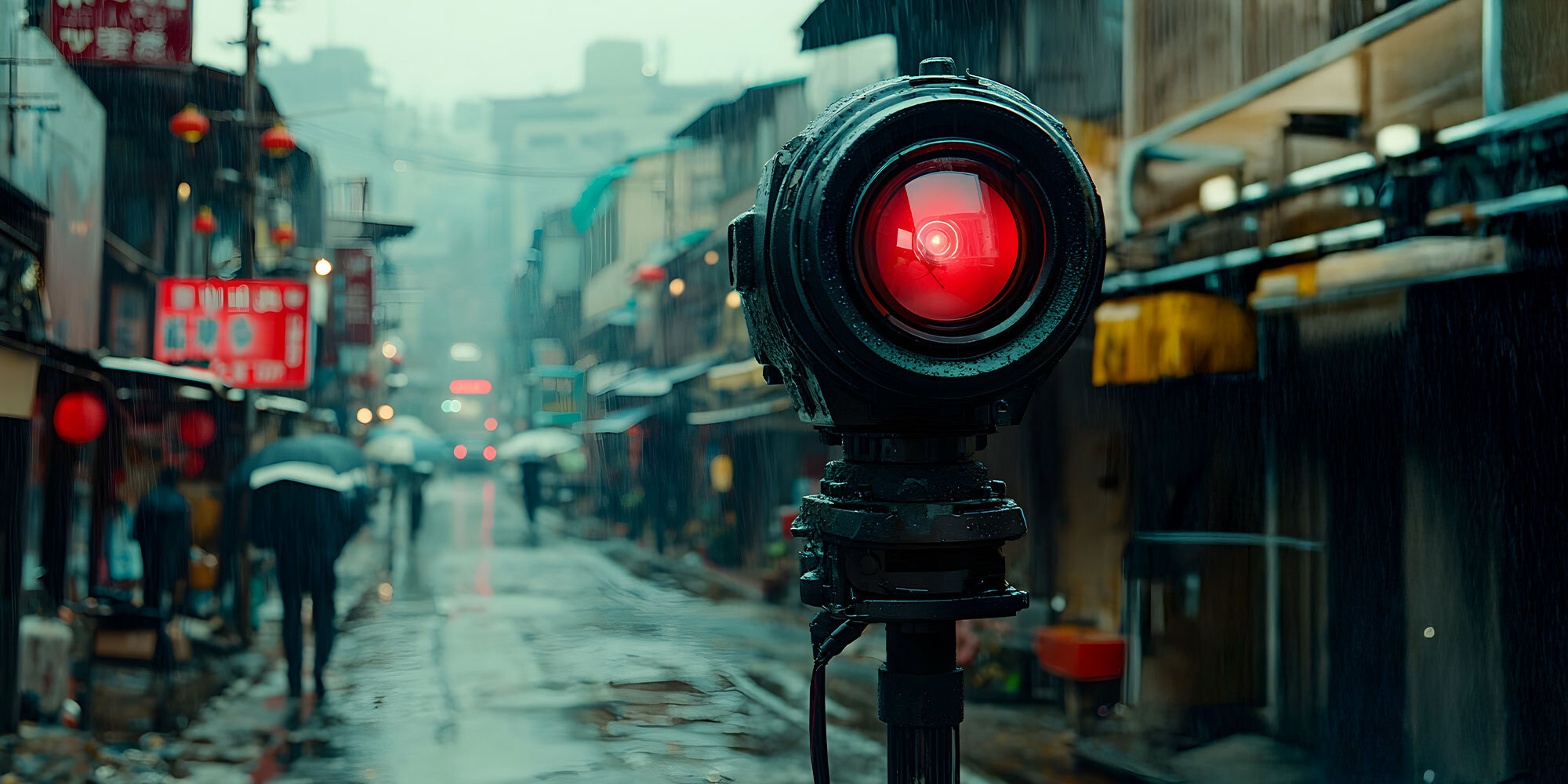
Dystopian science fiction is a powerful subgenre that flips the concept of utopia on its head.
Where utopias imagine ideal societies, dystopias delve into the grim, often terrifying consequences of societal collapse, authoritarian rule, and the erosion of individual freedoms. These stories are not just bleak for the sake of drama—they often serve as cautionary tales, reflecting our current anxieties and projecting them into exaggerated, usually chilling futures.
At the heart of dystopian fiction lies a world marked by fear, oppression, and systemic control. Governments are typically tyrannical, wielding power through surveillance, propaganda, and violence. Citizens are stripped of autonomy, individuality is suppressed, and conformity is enforced. These narratives often explore themes like environmental disaster, technological overreach, and class division, all while highlighting the resilience of the human spirit.
Dystopian stories are a rich source of social commentary that ask what happens if we let things go too far and challenge readers to consider the consequences of inaction. Whether it’s the loss of reproductive rights, the manipulation of truth, or the commodification of human life, dystopian novels magnify real-world issues to provoke thought and inspire change.
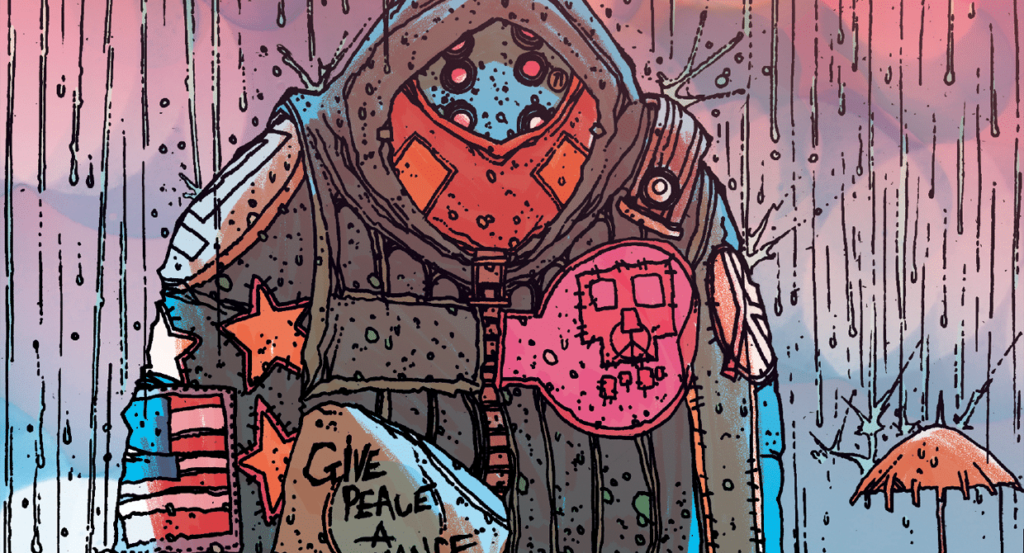
Some standout examples of the genre include:
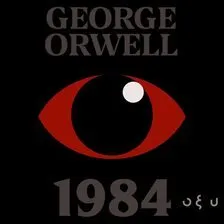
1984 is a seminal novel by George Orwell that introduced the concept of Big Brother, symbolizing the oppressive reach of authoritarian regimes. It explores the terrifying consequences of totalitarian surveillance, censorship, and the manipulation of truth.
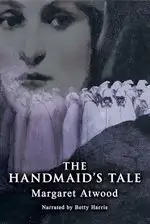
The Handmaid’s Tale presents a chilling vision of a dystopian theocracy where women are stripped of all rights and reduced to their reproductive roles. Margaret Atwood’s novel serves as a stark warning about the dangers of religious extremism and authoritarian control.
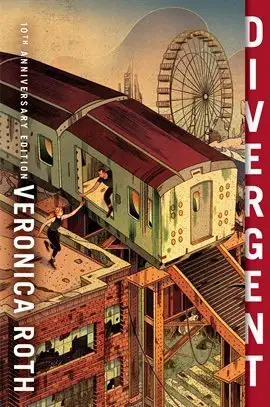
Divergent depicts a society strictly divided into factions based on human virtues, where conformity is enforced and individuality is seen as dangerous. The story follows a heroine who challenges this oppressive system, revealing the flaws and instability beneath its seemingly orderly surface.
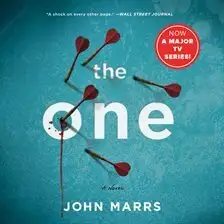
The One imagines a dystopian world where a genetic test can identify your perfect match, promising true love at a steep price. It raises unsettling questions about fate, free will, and the dark consequences of trusting science to dictate human relationships.
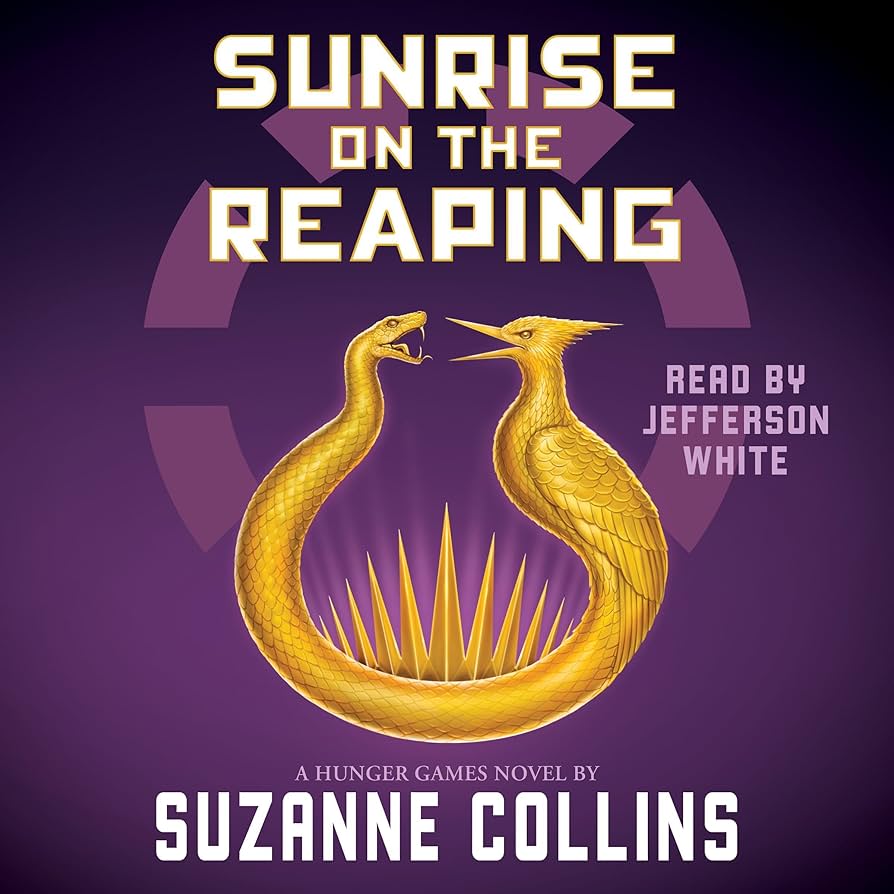
Sunrise on the Reaping is a haunting tale set in a fractured world where rebellion sparks hope amid oppression. It delves into the high cost of freedom, revealing the sacrifices made by those who dare to challenge a brutal regime.
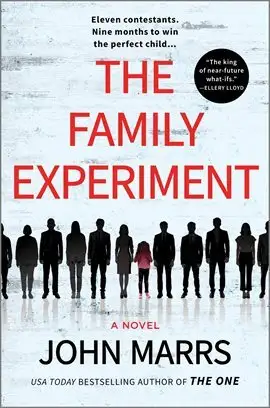
The Family Experiment offers a disturbing glimpse into a world where control and manipulation are masked as scientific advancement. It exposes the ethical boundaries crossed in the name of progress, questioning the true cost of engineered perfection.
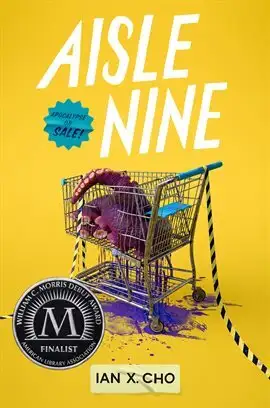
Aisle Nine transforms a seemingly ordinary store aisle into a microcosmic dystopia, where the sinister depths of consumer culture are laid bare. It reveals how everyday environments can mask control, exploitation, and the erosion of individuality.
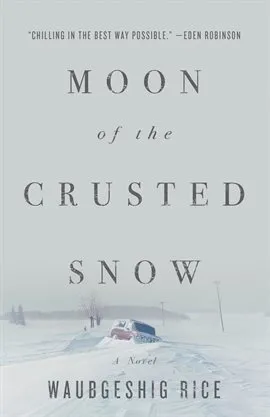
Moon of the Crusted Snow is a post-apocalyptic tale grounded in Indigenous perspectives, where a remote community faces the collapse of modern society. Through its quiet yet powerful narrative, it explores themes of survival, cultural resilience, and the reclamation of identity.
Dystopian fiction doesn’t just entertain—it warns, critiques, and ultimately empowers. It reminds us that even in the darkest futures, resistance is possible, and change begins with awareness.
Find your next favorite dystopian fiction audiobook or eBook on Hoopla today!


Endless entertainment.
No subscription required.
With Hoopla you can read, listen, and watch for free with your library card.
Get Started